Ibilit Home

Category

Tech & Culture

28 articles

The Velvet Rope Goes Digital: Inside the Private Servers Where Culture Actually Happens

The Velvet Rope Goes Digital: Inside the Private Servers Where Culture Actually Happens

The most interesting conversations online aren't happening where you can see them. Private Discord servers have become the new penthouse — exclusive, invisible, and quietly defining what the rest of the internet talks about next. If you're reading about a trend publicly, someone in a closed server already moved on from it weeks ago.

The Stranger on Your Screen Feels Safer Than the Friend in Your Living Room

The Stranger on Your Screen Feels Safer Than the Friend in Your Living Room

There's something quietly unsettling happening in the way Americans are building their emotional lives. The people we've never met feel warmer, more reliable, and somehow more *ours* than the ones sitting across the dinner table. That's not just a vibe — it's a psychological pattern worth taking seriously.

They Sound Exactly Like You and That's Not a Coincidence

They Sound Exactly Like You and That's Not a Coincidence

Your favorite creator keeps saying the exact thing you were just thinking. They stumble over words the same way you do, cry at the same moments, confess the same fears. At some point, flattering starts to feel like surveillance.

The Copy Feels Realer Than the Original and That Should Terrify You

The Copy Feels Realer Than the Original and That Should Terrify You

Somewhere between a deepfake and a devotion spiral, audiences are losing the ability to tell which version of their favorite creator is actually real. The synthetic clone isn't just convincing — in some cases, it's more satisfying. That's the part nobody wants to talk about.

You Gave Them Your Obsession. Now They're Wearing It Back.

You Gave Them Your Obsession. Now They're Wearing It Back.

Something strange happens when a creator stops being the object of a fan's fixation and starts performing that fixation right back at them. It's intimate, it's disorienting, and it might be the weirdest thing happening in online culture right now.

You Knew Everything About Them Online. Then You Met in Person and Felt Nothing.

You Knew Everything About Them Online. Then You Met in Person and Felt Nothing.

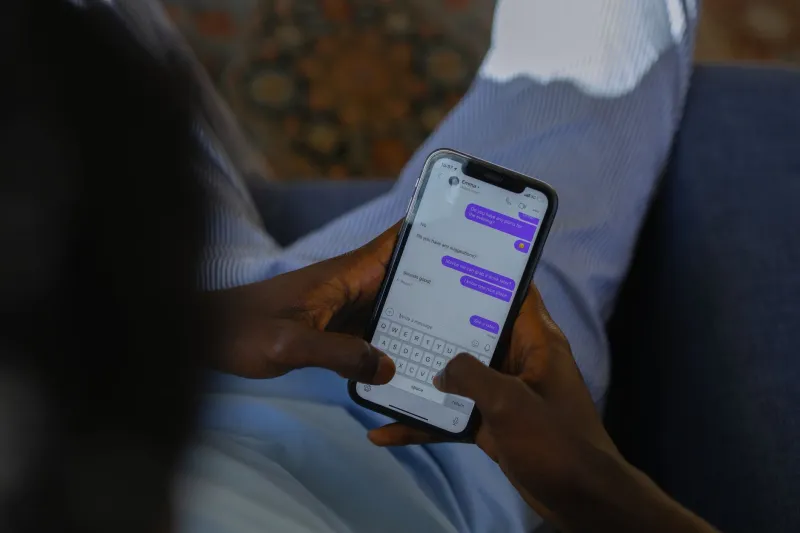
You've texted someone every single day for three years. You know their coffee order, their childhood trauma, their hottest takes. Then you finally meet face-to-face and realize you have absolutely no idea who this person is. The parasocial uncanny valley isn't just for influencers anymore — it's coming for your actual friendships.

You Typed 'I Love You' and Something That Isn't Them Wrote Back

You Typed 'I Love You' and Something That Isn't Them Wrote Back

Creators are now deploying AI chatbots trained on their voice, their jokes, their whole vibe — and fans are falling for it in ways nobody fully anticipated. The interaction feels real enough to matter and fake enough to haunt you. We're living in the gap between those two things right now.

Your Online Favorites Feel More Real Than Your Own Family. That's Not an Accident.

Your Online Favorites Feel More Real Than Your Own Family. That's Not an Accident.

There's a specific kind of guilt that hits when you realize you know more about a YouTuber's morning routine than your best friend's current job situation. This isn't a personal failing — it's a system working exactly as designed. The creators who feel almost uncomfortably present in your life didn't get there by chance.

Ghost Pages: Why the Internet's Dead Zones Are the New Quiet Luxury

Ghost Pages: Why the Internet's Dead Zones Are the New Quiet Luxury

Somewhere between a defunct GeoCities page and an abandoned Tumblr from 2011, a strange new form of digital peace is being discovered. People are deliberately seeking out the internet's forgotten corners — not out of nostalgia exactly, but out of something closer to relief. What does it mean when emptiness becomes the most desirable thing online?

Almost Real Is the Scariest Thing Online Right Now

Almost Real Is the Scariest Thing Online Right Now

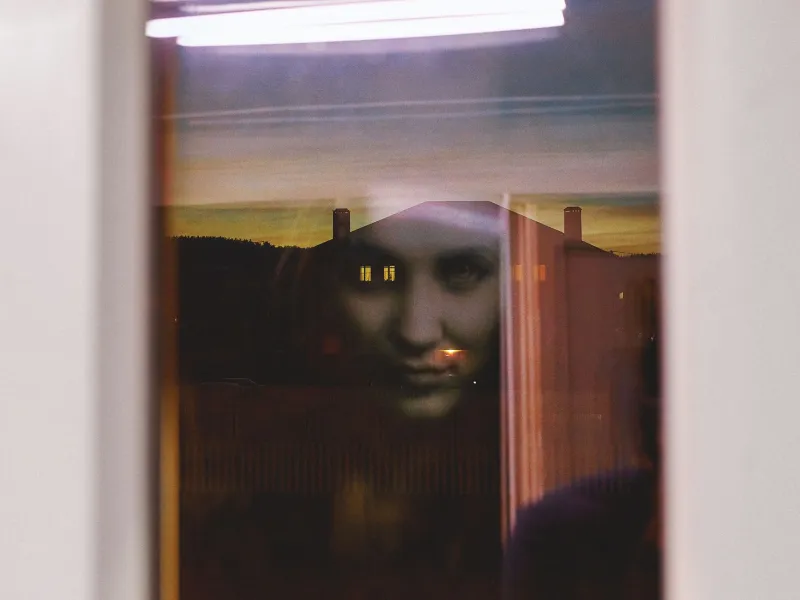
There's a specific kind of dread that comes from watching a creator who feels almost genuine — not fake enough to dismiss, not real enough to fully trust. It turns out your brain has a name for that feeling, and it's been freaking humans out long before the internet existed.

Fan Turned Mirror: How Audiences Learned to Perform Right Back

Fan Turned Mirror: How Audiences Learned to Perform Right Back

Something strange has quietly taken root in the space between celebrities and the people who follow them. Fans aren't just watching anymore — they're scripting, staging, and broadcasting their own side of the story. The parasocial relationship just got a lot more complicated.

The One-Sided Bond: Why Your Favorite Creator Feels Like Your Closest Friend

The One-Sided Bond: Why Your Favorite Creator Feels Like Your Closest Friend

Something strange is happening to human connection. Millions of Americans feel more emotionally understood by people they've never met than by the friends sitting across from them at dinner. It's not delusion — it's neuroscience, design, and loneliness working in perfect, unsettling harmony.

The Overshare Effect: When Creators Get So Real It Gets Weird

The Overshare Effect: When Creators Get So Real It Gets Weird

There's a specific kind of discomfort that hits when a creator you follow suddenly feels less like a person and more like a mirror pointed at your own loneliness. The harder some influencers try to seem authentic, the more artificial they become — and audiences are starting to feel it in their gut before they can explain why.

Too Real to Trust: The Strange Dread of AI Influencers Who Almost Feel Human

Too Real to Trust: The Strange Dread of AI Influencers Who Almost Feel Human

Something about a perfectly rendered digital personality just feels off — and it turns out that feeling has a name. As AI-generated content creators flood social feeds, audiences are reporting a creeping unease that psychologists say reveals something profound about how humans actually process authenticity. The more convincing these synthetic figures become, the more unsettling they get.